A Safer Service Starts Before the First Order Lands
In a busy kitchen, it is easy to treat the beginning and end of a shift as dead time — a blur of arriving staff, prepping boards, and rushing to be ready. But what happens in those first and last thirty minutes of a kitchen's day has a direct impact on food safety, team accountability, and the quality of tomorrow's service.
Opening and closing checks are not paperwork for paperwork's sake. They are a structured, repeatable way to confirm that your kitchen is safe to operate, your food is within safe temperature ranges, your hygiene standards are upheld, and your team knows exactly what is expected of them.
This guide explains why these checks matter, what they should include, and how to build a routine that actually gets done.
Why Opening and Closing Checks Matter
Food safety risks do not clock off when service ends. A fridge that drifts overnight, a surface left less than clean, a food item missing a date label — these are the kinds of failures that compound quietly and create serious problems.
Under UK food safety law, including the Food Safety Act 1990 and Regulation (EC) No 852/2004, food businesses must implement and maintain procedures based on HACCP principles. Documented checks are part of demonstrating due diligence. They show that your team identified hazards, took action, and kept a record.
Beyond legal compliance, good opening and closing routines protect your customers, reduce food waste, extend equipment life, and give your management team genuine confidence in daily operations.
The Kitchen Opening Checklist
A thorough opening check confirms that everything is in place before your team begins preparing or serving food.
Temperature and Refrigeration
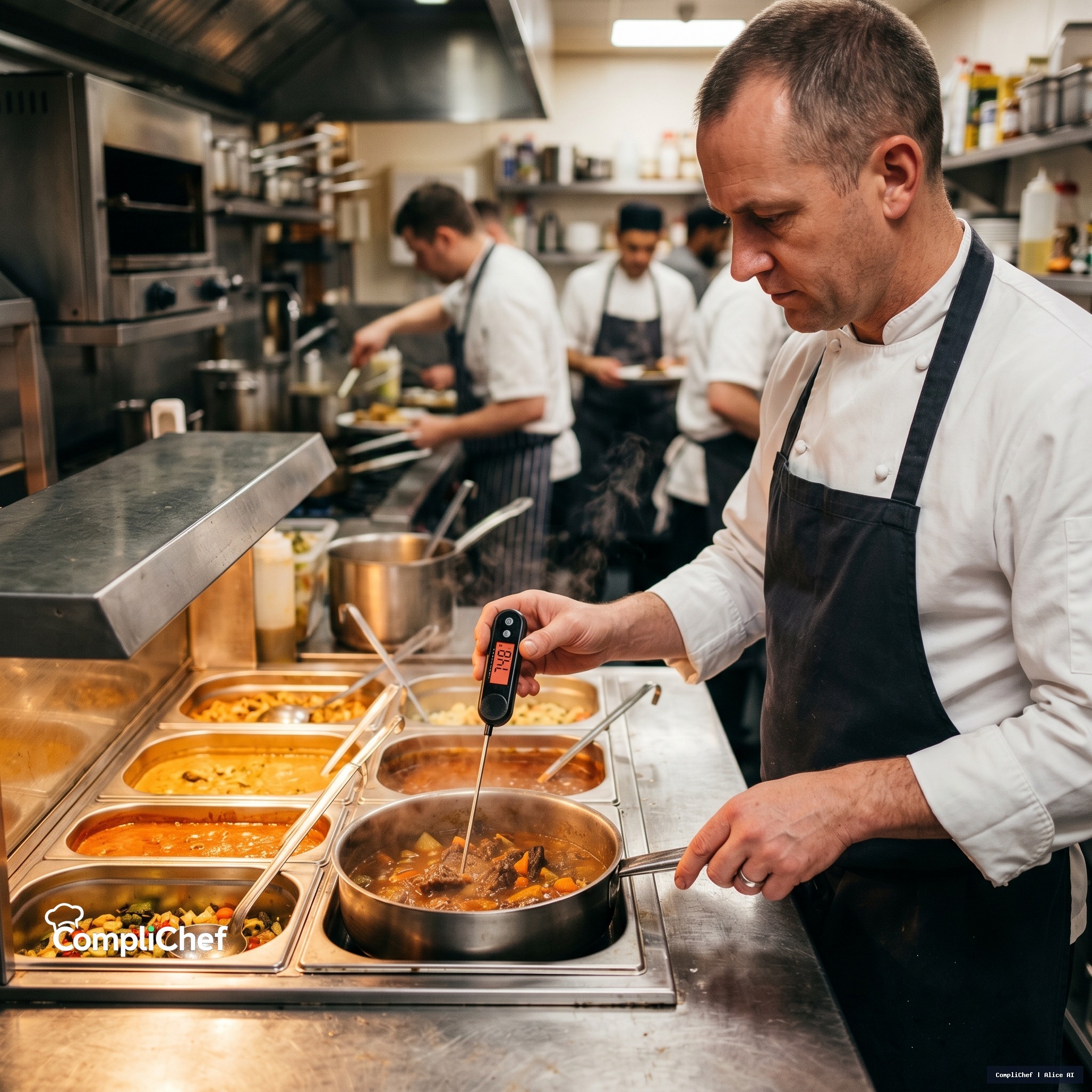
- Record fridge and freezer temperatures (fridges should be 1–4°C; freezers at or below -18°C)
- Check that overnight temperature logs fall within safe ranges
- Inspect for any signs of equipment failure, frost build-up, or unusual noise
- Check that hot-holding equipment reaches and maintains the correct temperature before service
Food Safety and Stock Checks
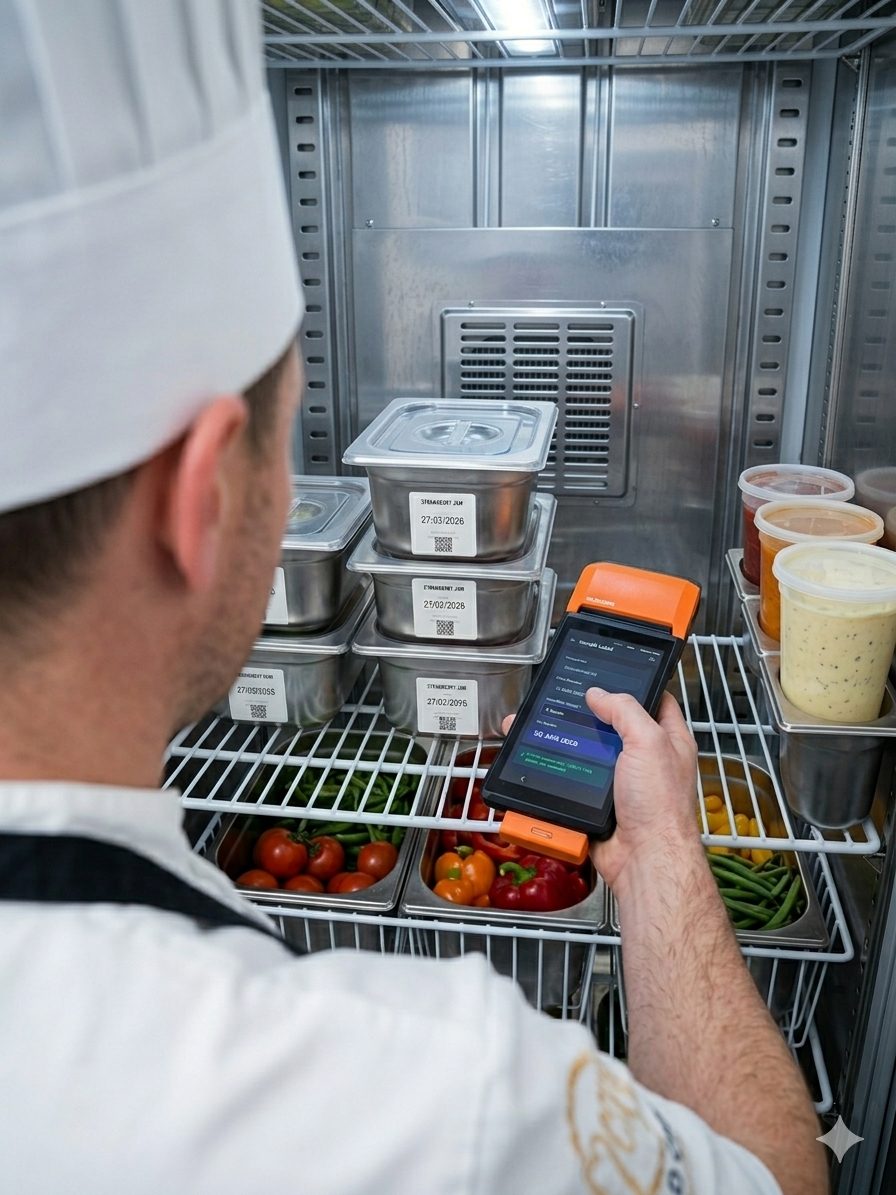
- Review date labels on all chilled and ambient stock; remove anything past its use-by date
- Check that food is correctly wrapped, covered, and stored (raw below ready-to-eat)
- Inspect delivery areas if an early delivery has arrived — check temperatures and condition
- Confirm that yesterday's prep is still within date and correctly labelled
Equipment and Appliances
- Check that cooking equipment (ovens, grills, fryers) is functioning correctly before service
- Inspect knives, chopping boards, and prep utensils — clean, in good repair, colour-coded correctly
- Check that probes are clean, calibrated, and available for use
- Confirm the dishwasher reaches the correct wash and rinse temperatures
Hygiene Stations
- Confirm handwashing basins are stocked with soap and paper towels
- Check that sanitiser spray and clean cloths are available at prep stations
- Confirm PPE such as gloves and aprons is accessible where needed
Team Readiness
- Confirm any food handler showing signs of illness is not handling open food
- Brief the team on the day's menu, allergens, and any prep priorities
The Kitchen Closing Checklist
A good closing routine protects tomorrow's service. Every step completed tonight is one fewer risk your opening team faces in the morning.
Cleaning and Sanitising
- Wipe down and sanitise all worktops and prep surfaces
- Clean and degrease cooking equipment, including grills, fryers, and hobs
- Clean floors, sinks, and drains
- Remove and clean or store correctly any loose equipment left on surfaces
Food Storage
- Label all remaining food with the correct date, description, and use-by information
- Wrap and store food correctly — raw separated from ready-to-eat
- Complete a final temperature check of all fridges and freezers before close
- Remove any food that cannot be safely stored overnight
Waste Management
- Remove all food waste from the kitchen
- Tie and remove bin bags; replace bin liners
- Clean and sanitise bins
- Ensure external waste areas are secure and lids are closed
Pest and Security Checks
- Check for signs of pest activity — droppings, gnaw marks, entry points
- Seal any gaps or entry points where possible; report anything unusual
- Confirm windows, hatches, and service entrances are secure
Appliance and Utility Shut-Down
- Switch off all non-essential appliances at the plug or isolator
- Ensure gas appliances are correctly isolated
- Confirm extraction systems are switched off
- Do not switch off fridges, freezers, or any equipment required to maintain safe food temperatures overnight
Building Accountability Into Your Checks
A checklist is only as good as the system behind it. The most common failure is not that teams do not know what to check — it is that no one owns the process.
Effective opening and closing routines have:
- Clear task ownership — named individuals responsible for each section
- Time stamps — confirming when each check was completed, not just that it was done
- Management review — a supervisor or manager signs off completed checks at the start and end of each service
- Consistent records — checks stored in one place, accessible when needed
When something goes wrong, records show what was checked, when, and by whom. That transparency protects your team and your business.
Adapting Checks to Your Site
No two kitchens are identical. A pub kitchen running lunch service has different priorities to a hotel kitchen operating from 6am to midnight. Your checks should reflect your operation.
Consider:
- The number of fridge and freezer units on site
- Whether you have bakery, raw meat, allergen-sensitive, or high-risk prep areas
- Shift patterns — does your closing team hand over to an early-morning opening team?
- Seasonal changes, such as higher ambient temperatures in summer affecting fridge performance
Build your checklists around your actual kitchen, not a generic template.
Common Missed Steps
Even experienced teams can fall into habits that leave gaps. Watch out for:
- Skipping probe calibration checks — an inaccurate probe gives false confidence
- Forgetting to label overnight prep — unlabelled food in the fridge is a common Food Standards Agency finding
- Leaving waste inside the kitchen overnight — this is an open invitation for pests
- Not recording fridge temperatures at close — if a unit fails overnight, you need a baseline
- Missing allergen checks during opening brief — especially if the menu or suppliers have changed
FAQ
Who should complete opening and closing checks?
A designated team member should be responsible for each check section, with a supervisor or senior chef signing off the completed record. Responsibility should be clear before each shift begins.
What if a fridge temperature is out of range at opening?
Do not use the unit until the issue is investigated. Check whether food has been compromised. Record the action taken and contact your equipment supplier or maintenance team.
How long should we keep completed check records?
Most food safety guidance recommends retaining records for a minimum of three months, though many businesses keep them longer as part of their due diligence documentation.
Can we use paper checklists?
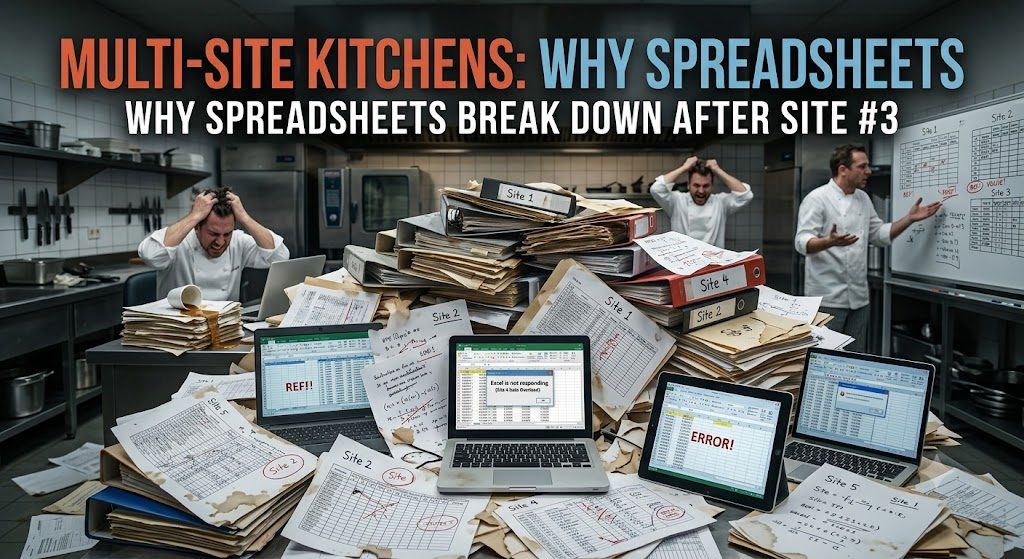
Paper checklists can work, but they are prone to being lost, incomplete, or illegible. Digital records are easier to review, harder to falsify, and accessible from anywhere.
Finish Clean. Leave Clear Records. Start Tomorrow Prepared.
Opening and closing checks are among the most practical tools a kitchen team has. They create consistency, surface problems early, and give your management team visibility across every shift.
CompliChef keeps completed checks together in one clear, time-stamped record. No loose sheets. No missed steps. Just a kitchen ready for service.
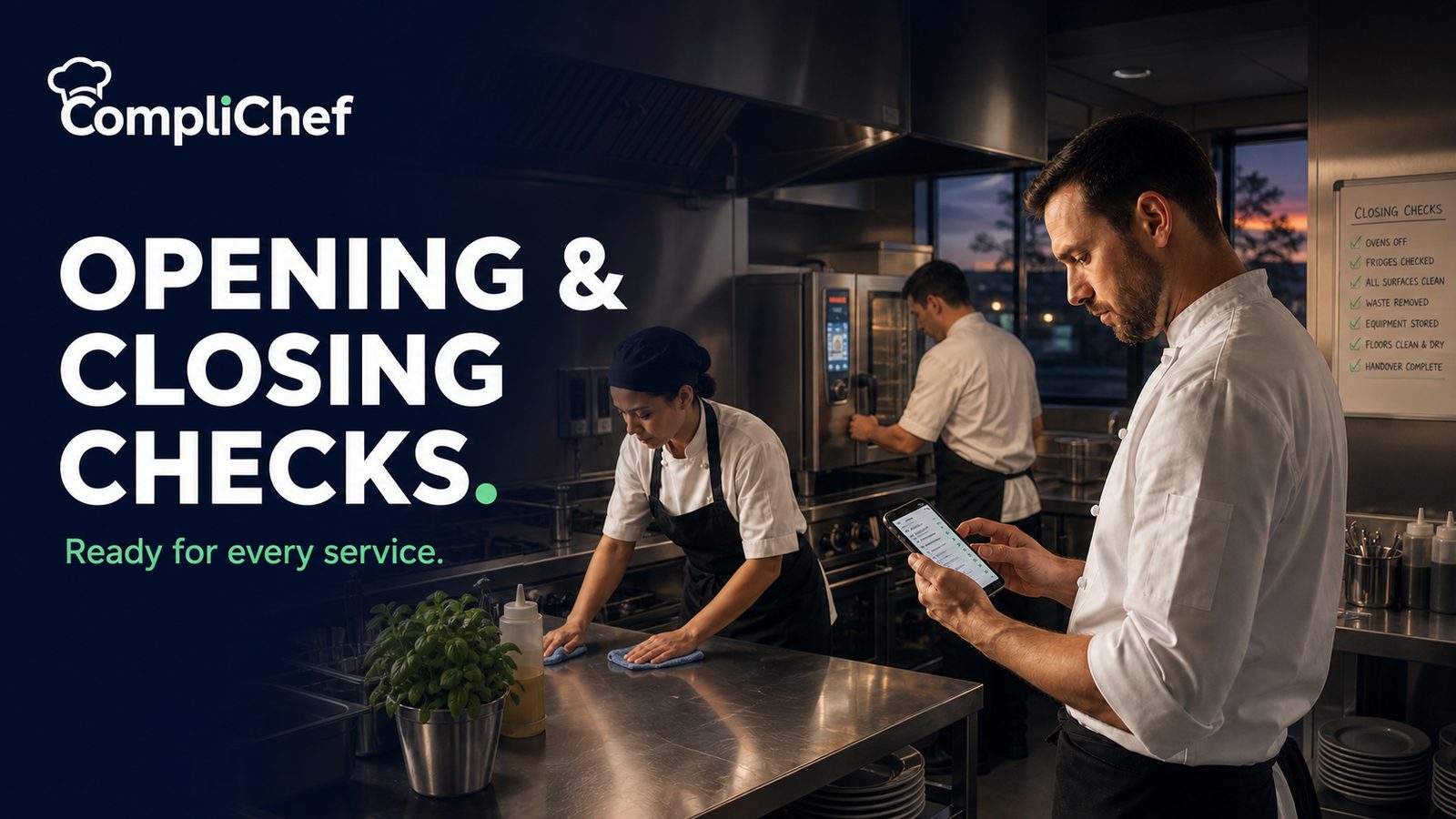
Your team completes each check on their device, and the record is stored automatically — ready for review, ready if needed, and impossible to misplace.
Discover how CompliChef supports kitchen teams across the UK at complichef.co.uk.