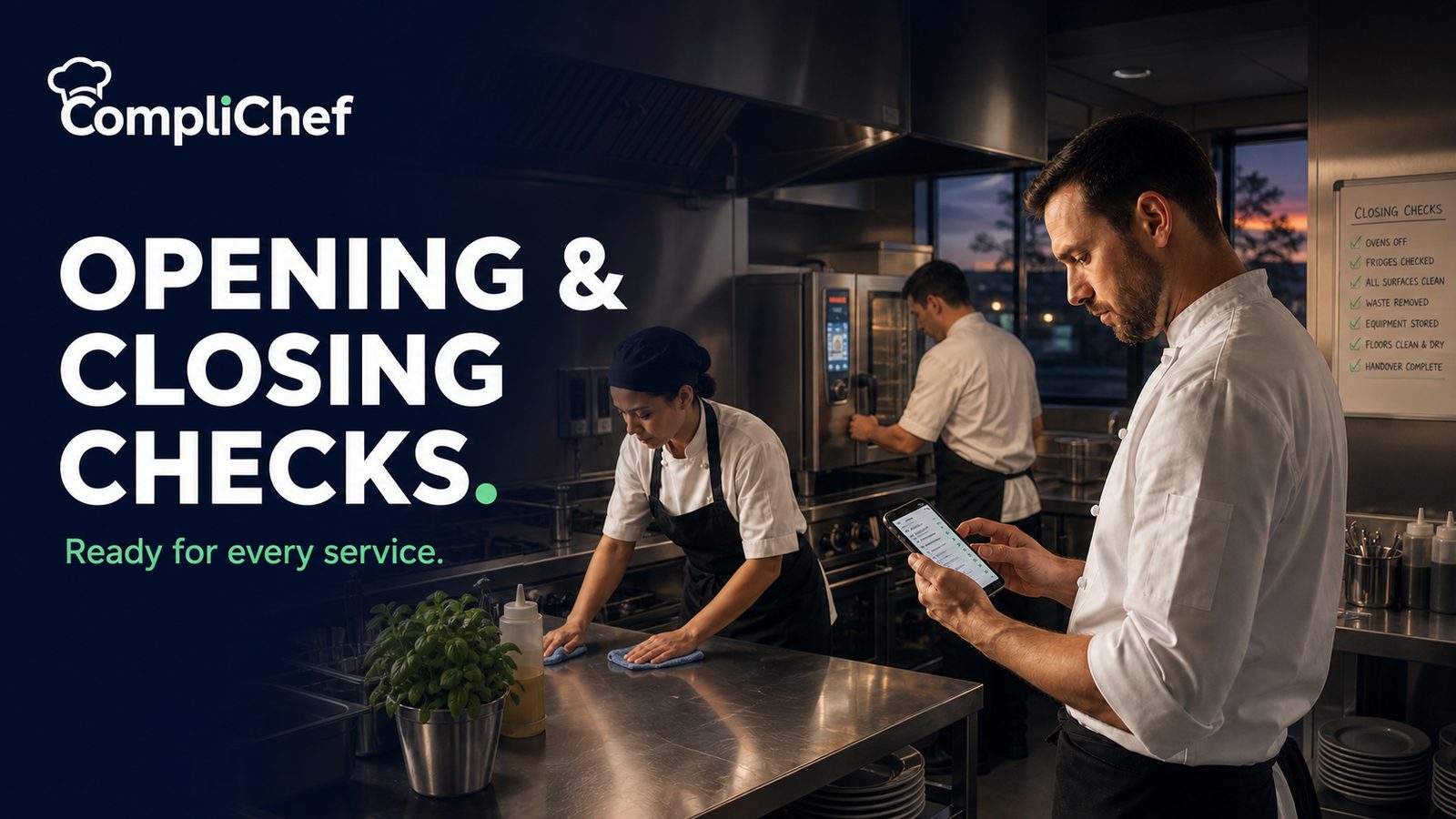
At an 11 PM close, a kitchen compliance tool has a practical job: help the team find the right check, carry it out, record the result and deal with anything that needs attention. This is an illustrative scenario, but it provides a useful test for any system you are considering.
That is what we mean here by service-first design. The priority is a usable workflow during opening, live service and closing. Speed means reducing avoidable administration while keeping the actual checks and accurate records central.
Service-first speed and gamification: different priorities
Gamification introduces game-style elements such as points, badges, streaks or leaderboards. Service-first design focuses on the steps needed to complete an operational task. These approaches can coexist: a product might offer both a practical checklist and a reward for completing it.
The useful distinction is between the reward and the evidence. A badge can indicate that an app has recognised an activity. It cannot, by itself, show that the physical check was done correctly or that an issue was resolved.
The following is a conceptual comparison of design approaches, not a tested comparison of specific products.
| Question | Service-first workflow | Gamification layer |
|---|---|---|
| What is the focus? | Completing an operational task and recording its result | Recognising activity through game-style rewards |
| What does the user do? | Find a check, carry it out and record what happened | Earn a point, badge or other reward under the system's rules |
| What evidence matters? | The underlying record and any action taken when an issue occurs | The underlying record still matters; the reward alone is insufficient |
| What should a buyer test? | How clearly the real task can be completed and its record retrieved | Whether rewards support the team's work without adding distracting steps |
Where CompliChef fits
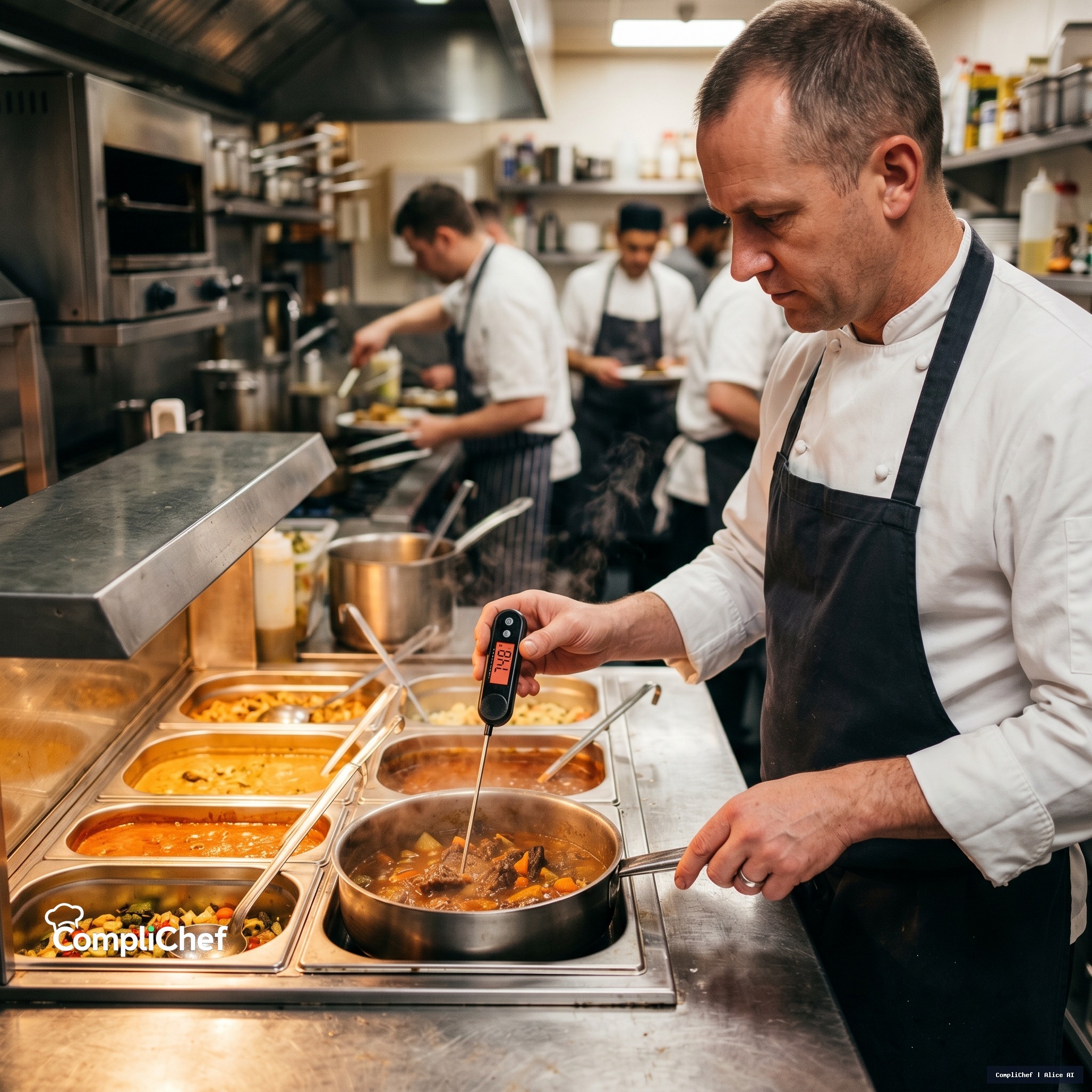
CompliChef's public website describes temperature logging, cleaning and opening checks, digital checklists and HACCP records. It also describes timestamped records and connected ingredient, recipe and allergen information used for labelling. Its about page explains the platform's origins in the founder's kitchen experience.
These are concrete features around which to explain the product's practical focus:
Built around real kitchen routines, from live service to the late-night close. Digital checks, temperature logs and connected records keep the focus on the work your team needs to complete.
That positioning does not require an unsupported claim that every alternative is slower, or that CompliChef has beaten another product in a timing test. A fair comparison should show the actual workflows.
Put the 11 PM close to the test
When evaluating software, run representative tasks on the devices your team will use. Find a closing check. Record a temperature. Try recording a result that requires attention. Retrieve the record afterwards.
Look at the number of steps, the clarity of the prompts and how easily someone can correct a mistake or document a follow-up. Check whether a completed status distinguishes a recorded task from an unresolved issue. Test opening and live-service tasks as well as closing routines.
Those observations give you evidence about suitability for your kitchen. They are more useful than assuming that an attractive dashboard or a reward feature proves operational speed.
The aim is straightforward: make the required work clear, keep records accurate and make issues visible. Efficient software should support that work; completing it properly remains essential.
Want to see how CompliChef fits your kitchen's routines? Request a demo and bring the opening, service and closing tasks you want to test.
Feature image: AI-generated illustration, not a real customer photograph or CompliChef interface screenshot.