Failed an EHO Inspection? Here's What to Do Right Now
Receiving a poor food hygiene rating — or worse, an enforcement notice — is one of the most stressful moments any hospitality operator can face. Whether you've been handed a rating of 1 or 2, or you're dealing with a formal improvement notice, this guide will walk you through exactly what happens next and how to recover quickly and confidently.
Take a breath. This is recoverable. Let's get to work.
Understanding Your Inspection Outcome
Before you act, you need to understand what you're dealing with. EHO inspection outcomes broadly fall into three categories:
- Poor FHRS rating (0–2): Your business will be rated under the Food Hygiene Rating Scheme (FHRS). A score of 0–2 means significant improvements are needed across hygiene practices, structural conditions, and/or food safety management.
- Improvement Notice: A formal legal notice requiring specific actions within a set timeframe. Failure to comply can result in prosecution.
- Hygiene Emergency Prohibition Notice: Issued on the spot when there is an imminent risk to public health. Your business (or part of it) must close immediately.
Know which situation you're in. The response to a rating of 2 differs significantly from responding to a prohibition notice.
Step 1: Read the Inspection Report Carefully
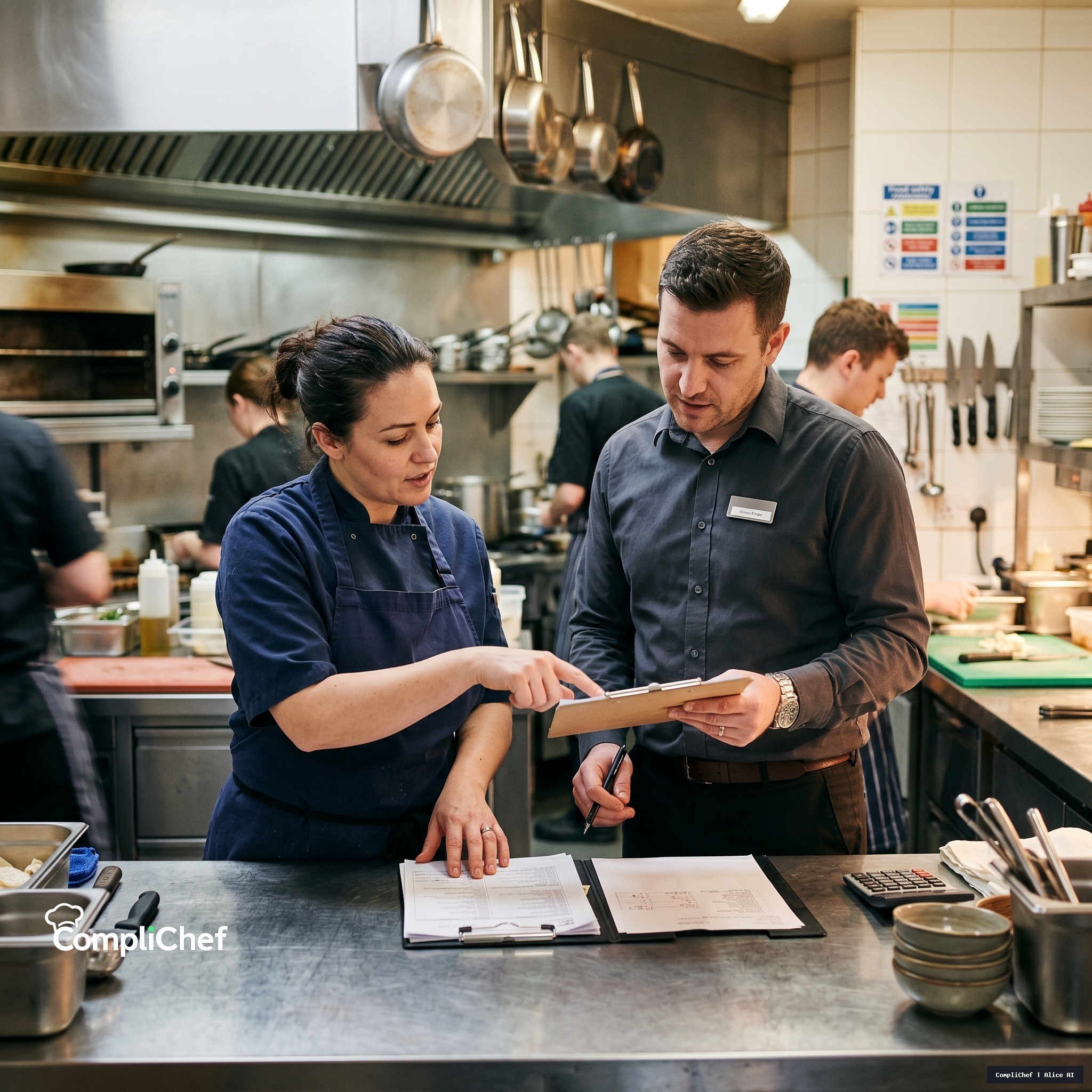
You will receive a written report from the Environmental Health Officer (EHO) detailing every area of concern. Read it thoroughly — more than once.
- Highlight every specific failing or recommendation
- Note which issues are classified as urgent versus advisable
- Identify whether failures are related to management systems, physical conditions, or hygiene practices — these map to the three scoring categories used by inspectors
Don't assume you understand the issues without reading the detail. Vague summaries lead to vague fixes.
Step 2: Don't Display Your Rating Until You Know Your Options
In England, Wales, and Northern Ireland, you are legally required to display your FHRS rating sticker if requested — but the rules around when you must display it vary by nation.
- In Wales and Northern Ireland, display is mandatory
- In England, display is currently voluntary (though that may change)
Check your local authority's guidance. You also have the right to appeal your rating within 21 days of receiving it in writing. If you believe the score was issued in error or circumstances have already changed significantly, speak to a food safety consultant before deciding whether to appeal.
⚠️ Important: Appealing pauses the publication of your rating until the appeal is resolved — but only if submitted within the 21-day window.
Step 3: Create a Corrective Action Plan
This is the most important step. A corrective action plan (CAP) shows your local authority — and yourself — that you are taking the issues seriously.
For each failing identified in the report:
- State the problem clearly (e.g., no temperature records for the past two weeks)
- Identify the root cause (e.g., staff unaware of the requirement, no system in place)
- Set a specific corrective action (e.g., implement daily fridge temperature log)
- Assign responsibility (e.g., head chef)
- Set a completion date
Keep this document. You may be asked to submit it to your local authority, and it demonstrates good faith if enforcement action is being considered.
Step 4: Address Urgent Issues Immediately
Some issues cannot wait. If your report flags any of the following, act within 24–48 hours:
- Cross-contamination risks (e.g., raw and ready-to-eat foods stored together)
- Pest evidence (droppings, gnaw marks, live sightings)
- Broken refrigeration or temperature control failures
- Absence of handwashing facilities or adequate sanitation
- Staff handling food without basic hygiene training
For structural issues — damaged floors, inadequate ventilation, insufficient storage — these may take longer to address, but you should have written quotes or contractor bookings in place quickly to show progress.
Step 5: Retrain Your Team
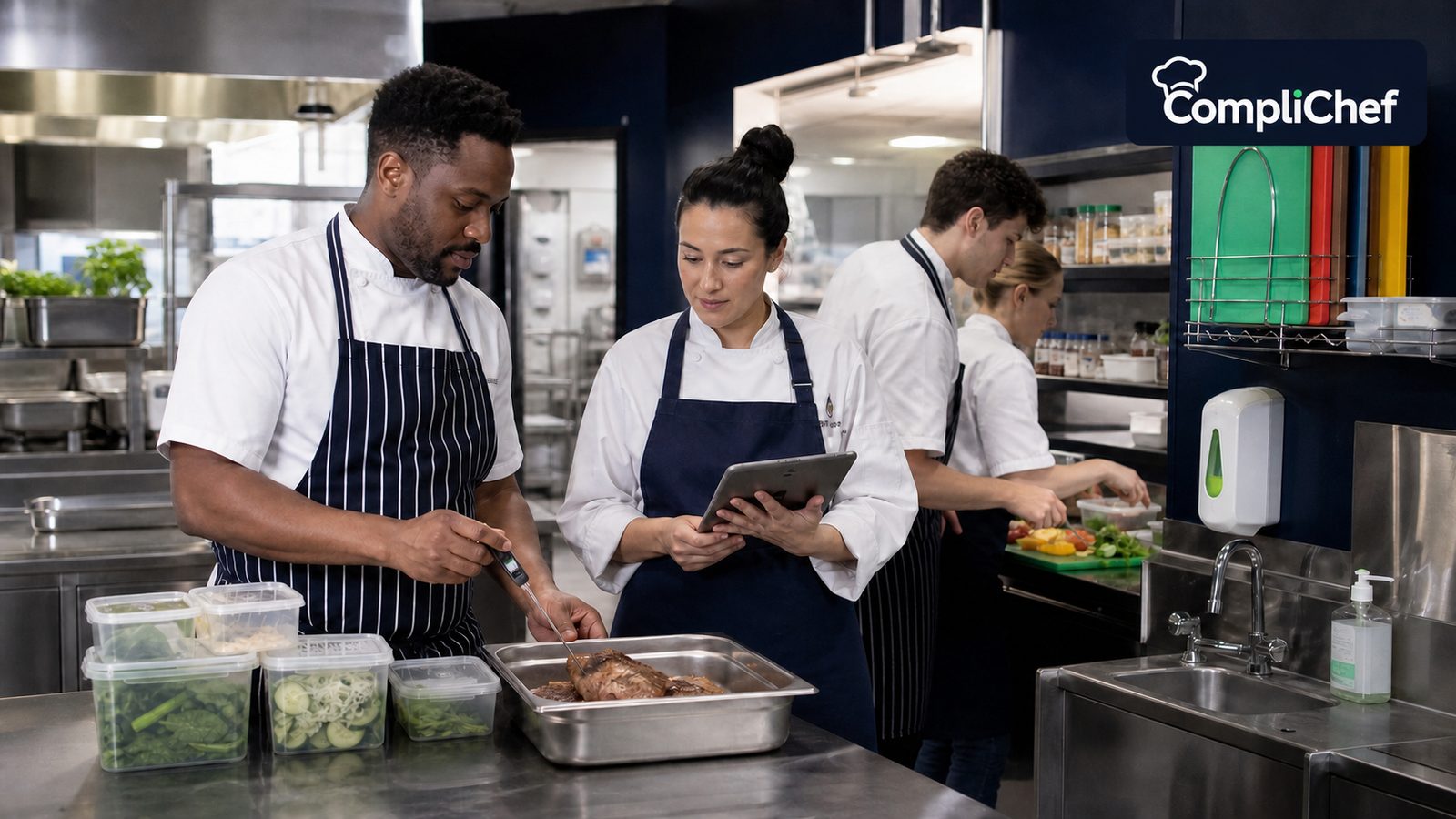
Many inspection failures trace back to a gap between what the business owner knows and what staff are actually doing day-to-day. Use this moment to reset.
- Conduct a staff briefing explaining the inspection outcome honestly
- Reinforce or retrain on HACCP principles, allergen handling, personal hygiene, and cleaning schedules
- Ensure every food handler has a valid Level 2 Food Hygiene certificate
- Document all training in a staff training record
Inspectors will look for evidence of training. Certificates and signed records matter.
Step 6: Overhaul Your Food Safety Management System
A weak or missing food safety management system is one of the most common reasons for a poor rating. If yours is out of date, incomplete, or non-existent, now is the time to fix it.
Your system should include:
- Hazard Analysis (HACCP) documentation appropriate to your business
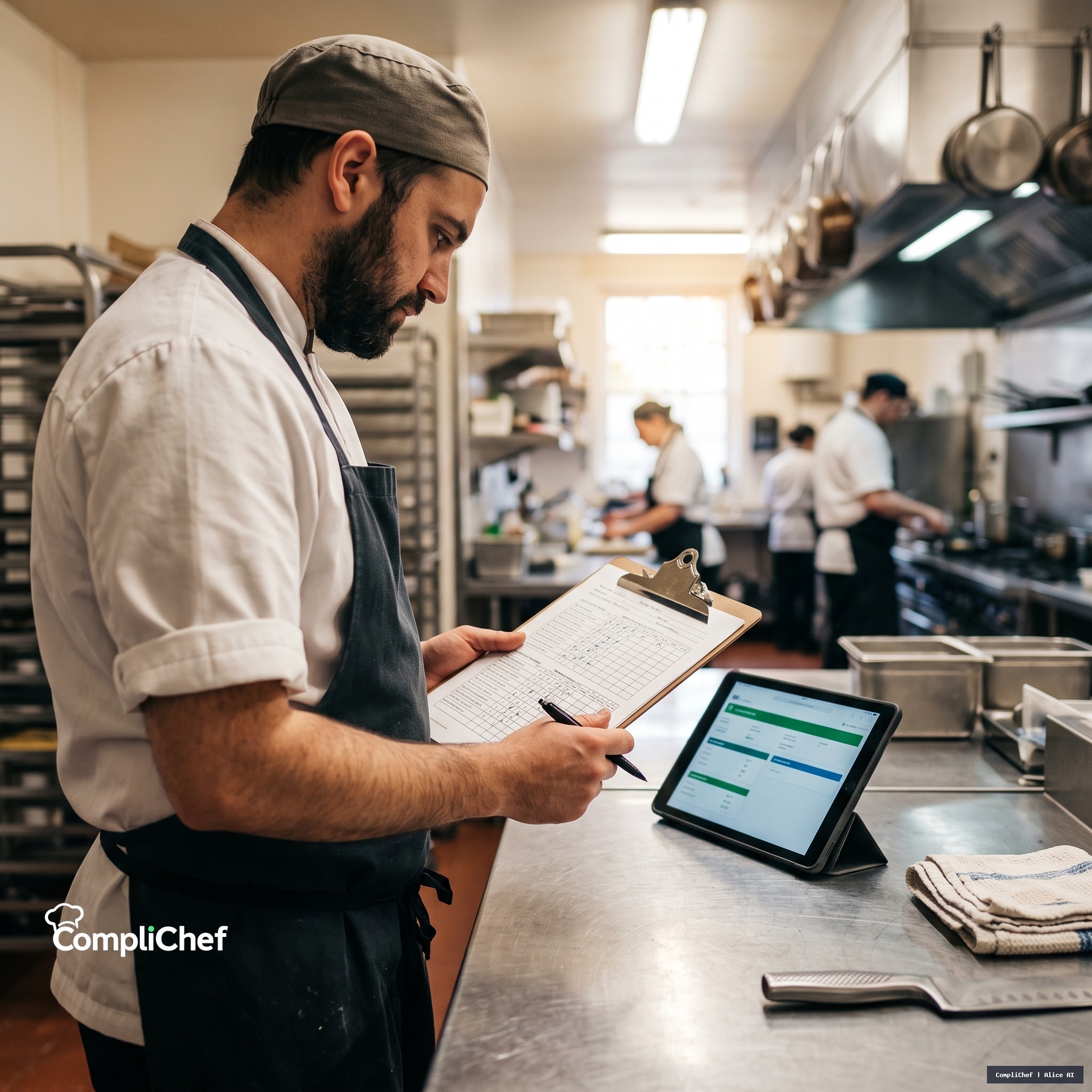
- Cleaning schedules — completed and signed, not just posted on a wall
- Temperature monitoring logs for deliveries, storage, cooking, and cooling
- Supplier records and allergen information
- Pest control contracts and visit reports
- Opening and closing checklists
Digital food safety management platforms (like CompliChef) make it significantly easier to maintain consistent, auditable records — which is exactly what EHOs want to see.
Step 7: Request a Revisit
Once you've addressed the issues in your corrective action plan, you can request a revisit (re-inspection) from your local authority. This is sometimes called a 'right to reply' visit, though technically these are separate processes.
- There is usually a fee for a requested revisit (typically £150–£200, but varies by council)
- Your new rating will only be published after the revisit takes place
- You can also submit a 'right to reply' statement via the Food Standards Agency website — this lets you add a public comment to your existing rating
Be ready for the revisit. Don't request it until every item on your CAP is genuinely resolved and evidenced.
Lessons to Take Forward
A failed inspection is painful, but it is also information. The businesses that recover well are those that treat it as a turning point rather than a crisis to be managed and forgotten.
- Build compliance into daily operations, not just before inspections
- Create a culture where staff understand why food safety matters, not just what the rules are
- Use digital tools to maintain consistent records without relying on memory or paper
The goal isn't just a better rating. It's a safer kitchen, a protected reputation, and a business that doesn't have to fear the next knock at the door.
Need help rebuilding your food safety management system after a poor inspection? CompliChef helps UK hospitality businesses create audit-ready records, HACCP documentation, and staff training logs — all in one place.