Why Food Allergen Management Matters in UK Hospitality
Food allergies are not an inconvenience — they are a matter of life and death. In the UK, around 2 million people live with a diagnosed food allergy, and approximately ten people die from allergic reactions to food every year. For hospitality businesses, getting allergen management right is both a legal obligation and a fundamental duty of care.
This guide walks you through everything you need to know about food allergen management in UK commercial kitchens — from the law to day-to-day operational best practice.
The Legal Framework: What UK Law Requires
Food allergen law in the UK is primarily governed by two pieces of legislation:
- UK Food Information Regulations 2014 (FIR 2014) — the retained UK version of EU Regulation 1169/2011, requiring businesses to provide allergen information for food sold or catered.
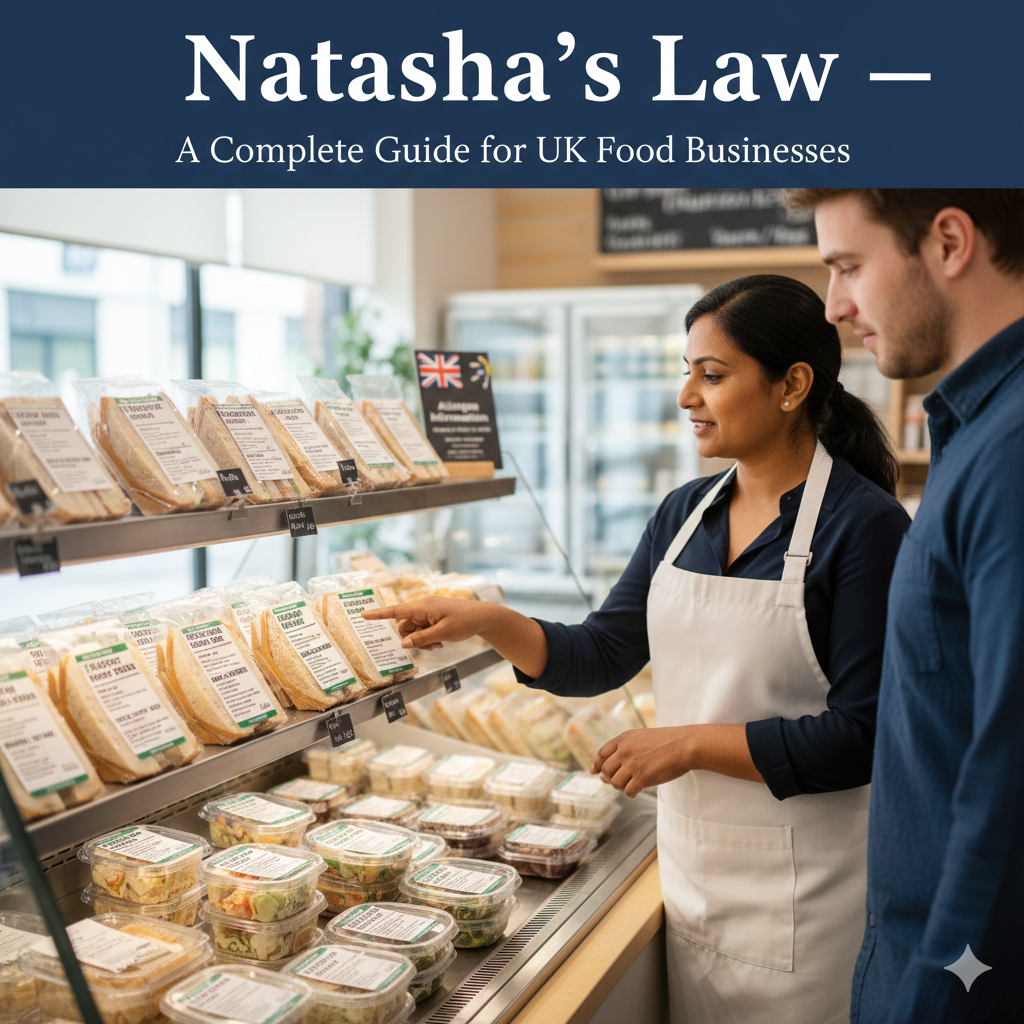
- Natasha's Law (October 2021) — an amendment requiring full ingredient and allergen labelling on all pre-packed for direct sale (PPDS) food.
The 14 Major Allergens
UK law requires you to declare the presence of 14 major allergens in any food you sell or serve:
- Celery
- Cereals containing gluten (wheat, rye, barley, oats)
- Crustaceans
- Eggs
- Fish
- Lupin
- Milk
- Molluscs
- Mustard
- Peanuts
- Sesame
- Soybeans
- Sulphur dioxide and sulphites (above 10mg/kg or 10mg/litre)
- Tree nuts (almonds, hazelnuts, walnuts, cashews, pecans, Brazil nuts, pistachios, macadamia nuts)
Failure to correctly declare these allergens can result in enforcement action from your local Environmental Health Officer (EHO), prosecution, significant fines, and — most critically — serious harm to your customers.
Allergen Information: Your Obligations by Food Type
Your legal requirements differ depending on how food is sold:
Pre-Packed Food
Full ingredient lists with allergens emphasised (e.g. bold, italic, or highlighted) must appear on the packaging.
Pre-Packed for Direct Sale (PPDS)
Under Natasha's Law, PPDS food — such as sandwiches or salads packaged on your premises for sale there — must carry a full ingredient list with allergens emphasised.
Non-Pre-Packed / Loose Food
For food sold loose or prepared fresh (restaurant meals, takeaways, deli counters), you must provide allergen information either:
- Written on a menu, chalkboard, or information sheet, or
- Verbally, provided a clear written notice directs customers to ask staff — though written information must be available on request.
Best practice: Always provide written allergen information. Relying solely on verbal communication increases the risk of miscommunication and leaves your business exposed.
Building an Effective Allergen Management System
Legal compliance is the baseline — operational excellence is what protects your customers and your business.
1. Maintain an Allergen Matrix
Create and maintain an up-to-date allergen matrix for every dish on your menu. This should list each dish against all 14 allergens, clearly indicating which are present. Review the matrix every time a recipe or supplier changes.
2. Manage Supplier Information
- Obtain up-to-date ingredient and allergen declarations from all suppliers.
- Request technical data sheets for every ingredient.
- Review supplier information regularly — formulations change without warning.
- Never assume an ingredient is allergen-free because it was previously.
3. Prevent Cross-Contamination
Cross-contact is one of the most significant risks in a commercial kitchen. Put the following controls in place:
- Designated equipment: Use colour-coded utensils, chopping boards, and cookware for allergen-free preparation.
- Separate storage: Store allergen ingredients in sealed, labelled containers away from allergen-free ingredients.
- Clean-down procedures: Implement thorough allergen cleaning protocols between preparing allergen-containing and allergen-free dishes.
- Order of preparation: Prepare allergen-free dishes first, before working with allergen-containing ingredients.
- Staff hygiene: Enforce thorough handwashing and, where appropriate, glove changes between tasks.
4. Menu and Labelling Controls
- Clearly mark allergens on menus and food labels.
- Avoid vague terms such as "may contain nuts" as a substitute for proper allergen management — these should only be used where genuine, uncontrollable cross-contamination risk exists.
- Update menus promptly whenever recipes change.
5. Communicate with Customers
- Train front-of-house staff to handle allergen queries confidently and accurately.
- Establish a clear protocol: when a customer declares an allergy, the query should be escalated to the chef or kitchen manager — never guessed at.
- Never dismiss or minimise a customer's allergen concerns.
Staff Training: The Cornerstone of Allergen Safety
Your allergen management system is only as strong as the people implementing it. All food handlers and front-of-house staff must receive allergen training appropriate to their role.
What training should cover:
- The 14 major allergens and the foods that contain them
- The difference between a food allergy, food intolerance, and coeliac disease
- Your business's allergen procedures and documentation
- How to handle allergen queries and special requests
- The consequences of getting it wrong — for customers and the business
Training should be documented, repeated when procedures change, and reinforced regularly. The Food Standards Agency (FSA) offers free online allergen training resources, and accredited courses are widely available.
Record Keeping and Documentation
Maintaining thorough records is essential for both compliance and due diligence. Keep on file:
- Your allergen matrix and recipe documentation
- Supplier ingredient and allergen declarations
- Staff training records
- Cleaning schedules and records
- Any allergen-related customer communications or incidents
These records demonstrate that your business has taken all reasonable steps to manage allergen risk — a critical defence in the event of an enforcement investigation or legal claim.
Common Mistakes to Avoid
- Outdated allergen information — not updating your matrix when recipes or suppliers change
- Verbal-only systems — relying on staff memory rather than written records
- Inadequate cleaning — underestimating cross-contact risk from shared surfaces and equipment
- Poor staff awareness — front-of-house staff unable to answer customer allergen queries
- Ignoring PPDS obligations — particularly relevant for cafés, delis, and grab-and-go operators
How CompliChef Supports Your Allergen Compliance
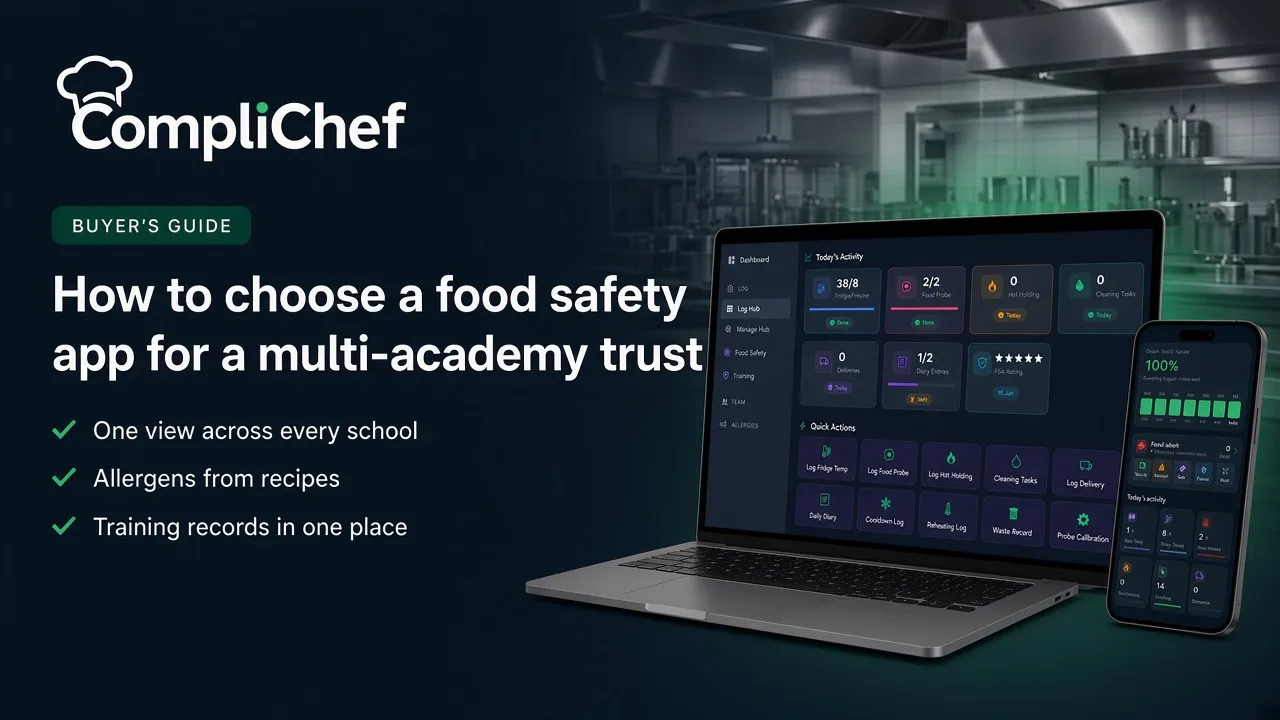
Managing allergen compliance manually is time-consuming and prone to human error. CompliChef's platform helps hospitality businesses build and maintain robust allergen management systems — from digital allergen matrices and supplier management tools to staff training logs and audit-ready documentation. Everything you need to stay compliant, in one place.
Proactive allergen management protects your customers, safeguards your reputation, and keeps your business on the right side of the law. There is no shortcut worth taking.